Frequently Asked Questions

What is a greenway?

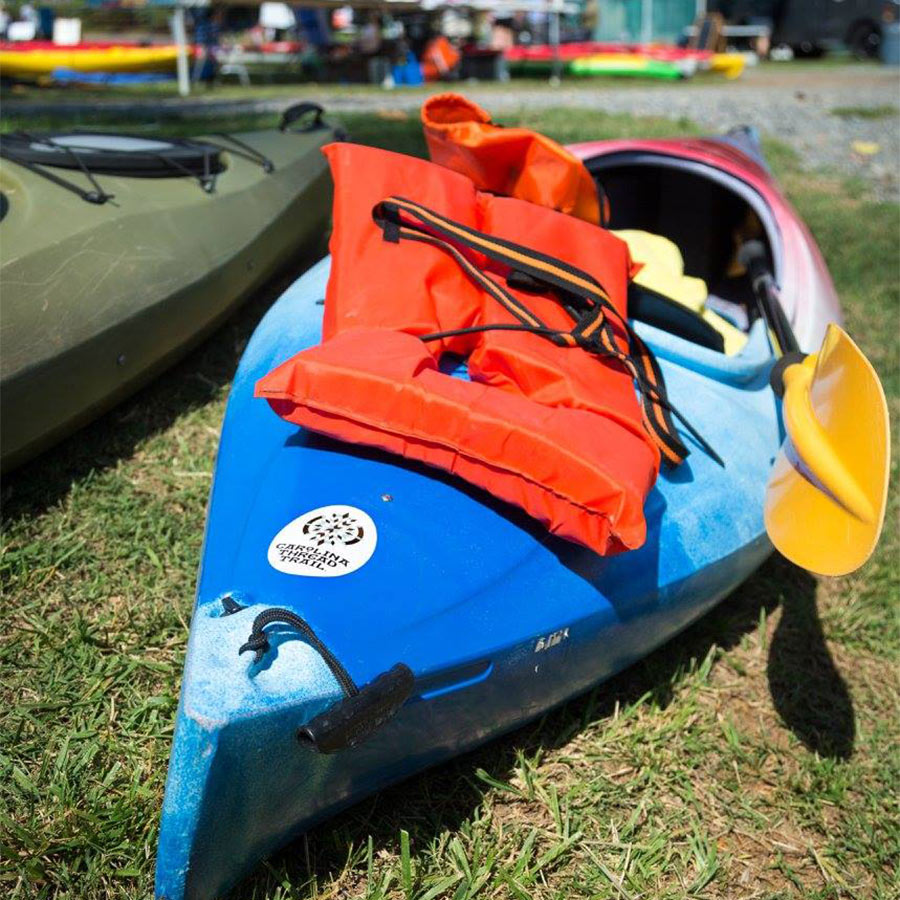
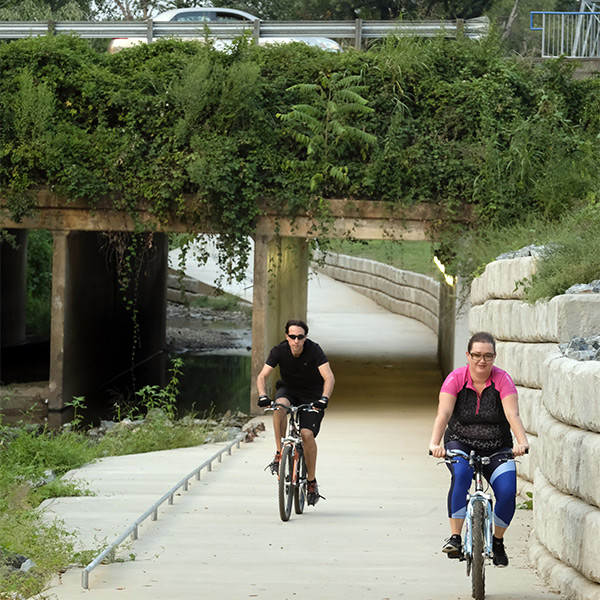
Greenways are linear natural spaces, often containing trails, that link parks, nature preserves, cultural features and historic sites with each other for recreation, transportation and conservation purposes.  The Carolina Thread Trail initiative is an effort to encourage 15 counties in the south-central piedmont of North Carolina and the north-central South Carolina to create a large, interconnected trail and greenway system.

What will The Thread link together?

  • 2.3 Million People
  • More than 40 Destinations
  • 7,300 Square Miles
  • 1,500 Miles of Trail
  • 15 Counties
  • 2 States

How will the Carolina Thread Trail benefit our communities?

The Thread will:

  • Support economic prosperity by attracting and retaining new employers to the area
  • Promote tourism
  • Foster the joining of diverse communities
  • Serve as an alternative means of transportation
  • Encourage healthy lifestyles
  • Aid in clean air and water preservation
  • Promote permanent conservation of nature and wildlife habitats
  • Increase awareness and visitation of cultural and historical venues
  • Create a sustainable Carolinas legacy for generations to come
  • Educate our children and connect them to nature

What counties are part of The Thread?

In North Carolina:

  • Anson
  • Cabarrus
  • Catawba
  • Cleveland
  • Gaston
  • Iredell
  • Lincoln
  • Mecklenburg
  • Rowan
  • Stanly
  • Union

In South Carolina:

  • Cherokee
  • Chester
  • Lancaster
  • York

Who is leading the effort?

Communities who have elected to participate in The Thread throughout the project’s 15 county footprint are leading the trail building effort, with support from The Thread’s staff and leadership. Catawba Lands Conservancy is the lead agency for the Carolina Thread Trail, with Foundation For The Carolinas providing support as a philanthropic partner. Philip Blumenthal, Director of the Blumenthal Foundation and Wildacres Retreat, is chair of our Governing Board, which provides fundraising and governance leadership. The Thread’s Regional Advisory Council provides technical advice and community insight.

What is the role of the Carolina Thread Trail effort?

The Carolina Thread Trail team plays three supporting roles to its communities:

  • providing a vision for a system of connected trails and greenways throughout the 15-county region and bringing communities together to share this connected vision.
  • creating trail building capacity through education and technical resources
  • helping communities access funding through a catalytic grants program and by advocating for other public and private funding.

How long will the trail take to build?

The Thread will develop over time as individual trail and greenway projects, guided by a regional vision, grow together. Funding and expertise from the Carolina Thread Trail will accelerate individual efforts and facilitate linkages. Key linkages are already occurring  and the network will unfold over the next 10 to 20 years.

Which trails will become the Carolina Thread Trail?

The Thread will focus on corridors that provide the connecting legs of a regional trail system.  It will link individual local greenway and blueway projects through a “green interstate” network.  Not every trail in a community will be part of The Thread — only key legs.

How is The Thread funded?

The Thread Trail is financed with both private donations and public funding.  The project’s funding model was developed following two years of planning and study of regional greenway projects in the US.  The funding model starts with a pool of private dollars that will be given as catalytic grants to local communities.  These dollars provide the incentive for planning, design, land acquisition, and construction of greenways that will eventually link all 15 counties in the region to each other and to other greenway systems outside the region.

Is the Carolina Thread Trail safe for my neighborhood?

Safety along greenways and trails is of the highest importance. There is little evidence to support the fear that these natural spaces encourage criminal activity. In fact, evidence supports the notion that greenways, trails and converted rail beds may actually discourage crime and vandalism in many areas. These areas no longer serve as places for people to hang out, dump trash, vandalize or engage in criminal activity because there is too great a risk that they will be discovered. To read more about safety on trails, click here.

How will land be acquired for The Thread?

A guiding principle of the Carolina Thread Trail is “respect for the land and respect for the land owners.”As communities determine the location of their segments of The Thread, they will have alternative routes to consider that include public lands or property owned by willing landholders, including developers who want to offer this amenity to their neighborhoods.

To read more about landowners and The Thread, click here.

Are there other regions where this kind of trail has been successfully built?

There are very successful, large-scale trail systems in St. Louis, Indianapolis, Detroit and several other communities across the U.S. Nearby, the Palmetto Trail traverses South Carolina, from the mountains of Oconee State Park in the west to the Atlantic Ocean just north of Charleston. Additionally, the Mountains to Sea Trail traverses several large sections of North Carolina between Clingman’s Dome in the West all the way to Jockey’s Ridge State Park near the Atlantic Ocean.